

What are blended fibers?
Blended fibers are yarns or fabrics made by mixing two or more different types of fibers together. This mixing can occur at all stages of the fiber, from the initial mixing of raw materials to the final yarn weaving. The purpose of blended fibers is to combine the advantages of different fibers while compensating for their disadvantages, thereby creating materials with better performance and a wider range of uses.
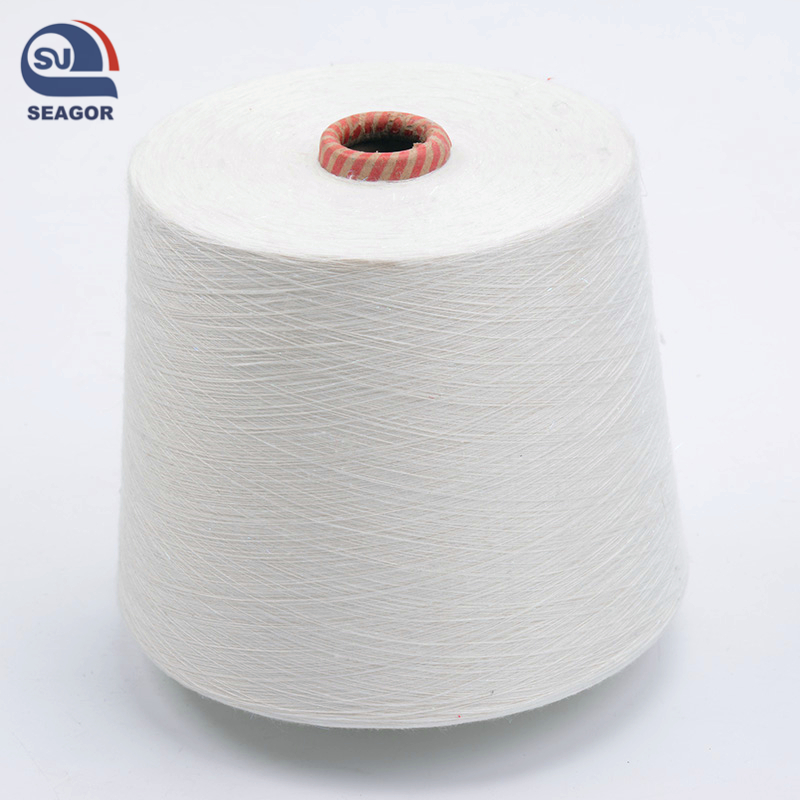
Types of blended fibers:
There are many types of blended fibers, the most common ones are:
1. Natural fiber blended with synthetic fiber:
For example: polyester-cotton blend (polyester and cotton), wool blended with synthetic fiber.
This blend combines the comfort of natural fiber with the durability of synthetic fiber.
2. Different types of natural fiber blended:
For example: wool and cotton, wool and silk.
This blend can improve the texture, luster and warmth of natural fiber.
3. Different types of synthetic fiber blended:
For example: polyester and nylon, spandex and polyester.
This blend can improve the elasticity and strength of synthetic fiber.
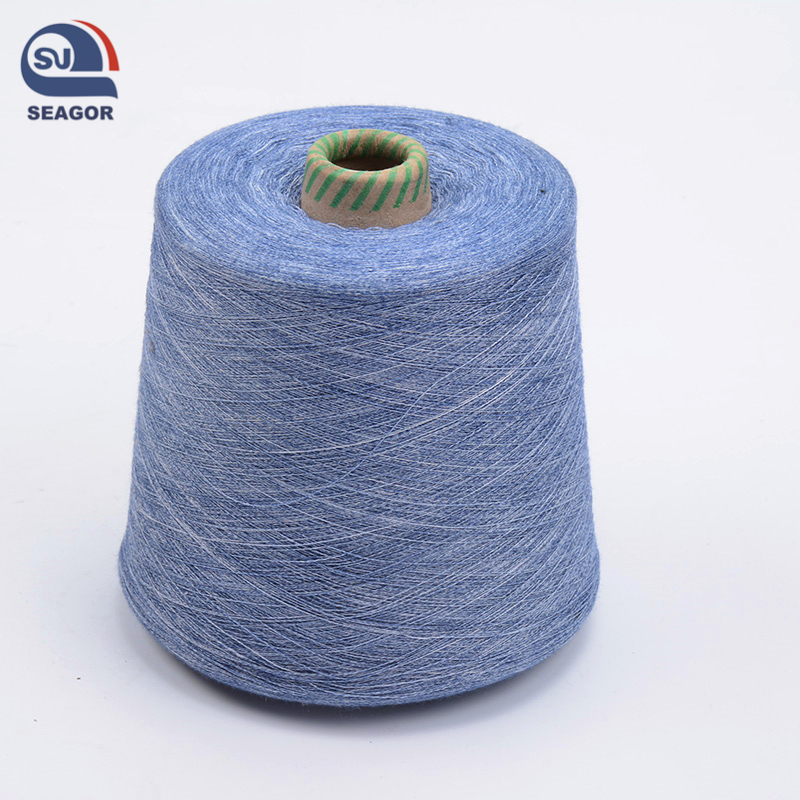
Advantages of blended fibers:
1. Performance optimization:
By mixing different fibers, their advantages can be combined. For example, polyester-cotton blends have both the breathability of cotton and the wear resistance and wrinkle resistance of polyester.
2. Cost control:
Blending can reduce the use of high-cost fibers, thereby reducing overall costs.
3. Appearance improvement:
Blending can create a unique appearance and texture. For example, by mixing fibers of different colors, a mixed color effect can be created.
4. Application expansion:
Blending can create materials suitable for various uses, such as sportswear, work clothes, household items, etc.
