How Polyester Yarn Breaks the Cost Dilemma?
Product Overview
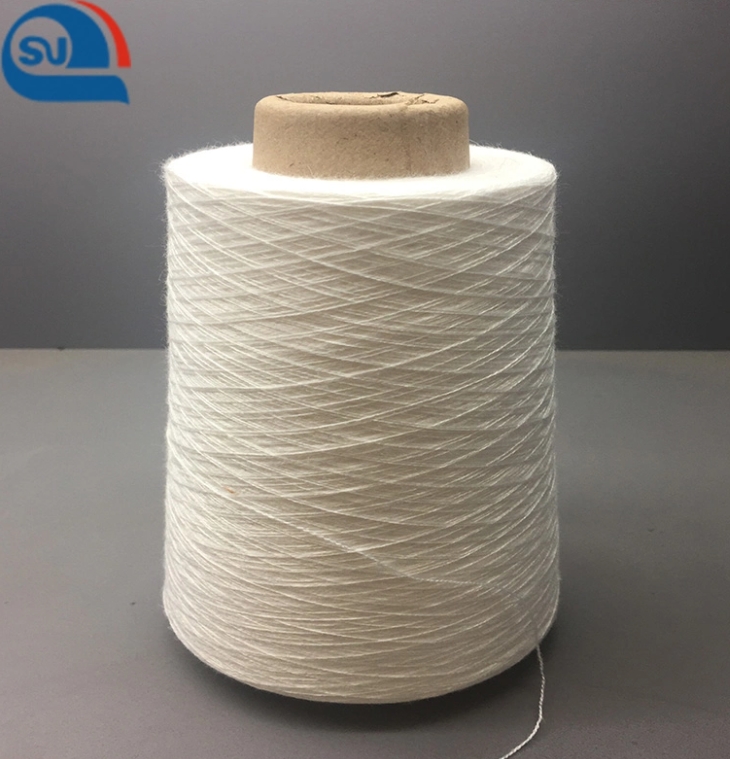
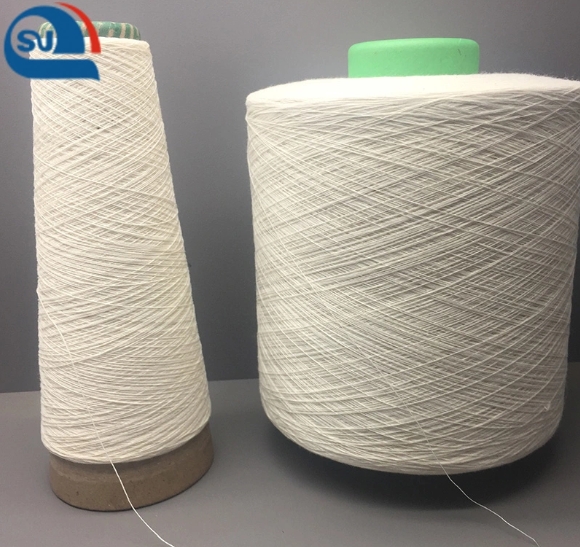
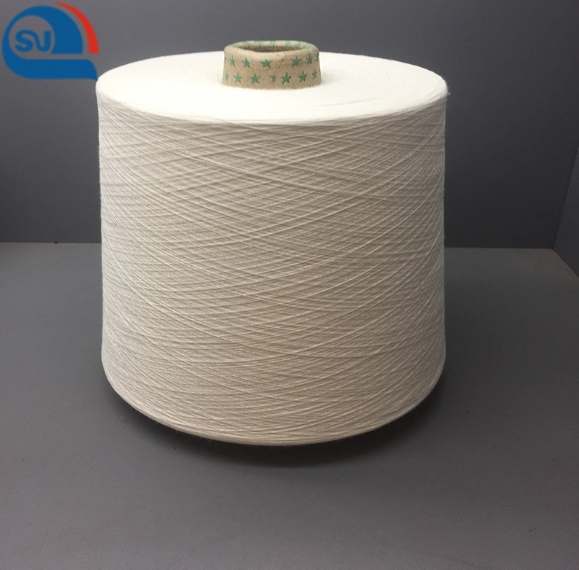
As a cornerstone of the global textile industry, polyester yarn is undergoing a reshaping of its value proposition. Our high-modulus, low-shrinkage polyester yarn utilizes nanospinning technology to increase its breaking strength to 8.6 cN/dtex while simultaneously controlling its thermal shrinkage to ≤2.3% (100°C/30 minutes). This innovative material not only meets the UV resistance requirements of outdoor gear but also addresses the 12% defective product rework rate in the fast fashion industry. Notably, we've introduced a multifunctional power meter to monitor energy consumption in real time during the production process, ensuring that electricity costs per ton of yarn are kept below 680°C.
Technical Specifications
- Denier Range: 75D-300D (600D industrial grade customizable)
- Melting Point: 256°C (8°C better than conventional products)
- Oil Content: 0.45±0.05% (ISO 1833 standard)
- Spinning Speed: 4200 m/min (with loss-in-weight feeding system)
Product Features
1. Eco-Friendly: 30% recycled PET raw material + GRS certification, reducing carbon footprint by 42%
2. Smart Dyeing: Achieves a 98% dyeing rate at room temperature and pressure (saving 37% energy compared to traditional processes)
3. Process Traceability: Each yarn spindle is embedded with an RFID chip for precise batch tracking
Production Process
In the Suzhou digital demonstration factory, 16 Multi-Function Ammeters continuously monitor the energy efficiency of the equipment throughout the 23 processes, from chip drying to winding. Through a Modbus gateway, this power data is communicated with the ERP system in real time. If the instantaneous power fluctuation of a texturing machine exceeds ±5%, the system triggers an alert within 0.8 seconds—the key to reducing the defective rate to 0.3%.
Application Scenarios
Sportswear: A 3D flyknit shoe upper yarn developed in collaboration with an international brand has been tested for 150,000 abrasions (Martindale method).
Automotive Interiors: A flame-retardant series certified by TS16949 achieves a smoke density rating of ASTM E662 Class I.
Industrial Transmission: 800D high-strength yarn achieves a breaking strength exceeding 58kN in lifting strap applications.
In a smart weaving workshop in Vietnam, Power Meter's precise monitoring reduces power consumption per ton of yarn from 1120kWh to 893kWh. With our customized services, customers can adjust yarn twist (ranging from 600-2200t/m) and receive sample verification within 72 hours.
Certifications
With authoritative certifications such as Oeko-Tex Standard 100 and REACH SVHC 205, the EU market access cycle has been shortened by 60%. A biocompatible version compliant with USP Class VI has been specially developed to meet the needs of the medical field.
Customer Testimonials
A high-end curtain manufacturer in Zhejiang reported that after adopting this product, the efficiency of its shuttle looms increased by 19%. Furthermore, due to improved yarn tension uniformity, selvage loss per meter of fabric was reduced by 22 cm. Notably, the Multifunction Meter installed in their workshop accurately captured abnormal energy consumption fluctuations during the heat-setting process, preventing a production accident costing 3.8 million yuan.
FAQ
Q: How to address static electricity in polyester yarn?
A: We recommend using an antistatic system containing 0.3% carbon black masterbatch and maintaining a production humidity control level of 55 ± 5%.
When evaluating polyester yarn suppliers, consider whether they have implemented an intelligent power monitoring system—this is a critical digital foundation for achieving marginal gains in the modern textile industry.